

Our
Impact
Advancing Care Through Research and Innovation
Advancing evidence-based, trauma-informed care remains central to JRI’s mission, with the Research Department playing a critical role in ensuring services are grounded in the latest knowledge and best practices. Through a continuous cycle of data collection, analysis, training, and implementation, the department partners closely with programs to translate research into improvements in care. This integrated approach strengthens service delivery across the organization and ensures that innovation is both practical and impactful.
This year, JRI staff Hilary Hodgdon, PhD, and Kerry-Ann Williams, MD, contributed to a peer reviewed publication on complex trauma in children and adolescents, reinforcing JRI’s leadership in the field. The research highlights how repeated trauma affects brain development, emotional regulation, and relationships, while underscoring that medication alone cannot address the core impact of complex trauma.
Instead, findings point to the importance of comprehensive, trauma-informed interventions that address both the mind and body. Approaches such as neurofeedback, creative arts therapies, mindfulness, and biofeedback show strong potential in helping children regulate emotions, process stress, and build lasting coping skills. These insights directly inform how JRI designs and delivers services across programs.
The Research Department ensures that high-quality data is not only collected, but actively used to guide decision-making and improve outcomes. By embedding research into program development and staff training, JRI creates a feedback loop where learning is continuously applied in real-world settings. This connection between research, frameworks, and training builds a strong foundation for effective, evidence-based care.
As a result, JRI’s programs continue to evolve to better meet the complex needs of children and families. By aligning research with practice, the organization strengthens consistency, quality, and long-term impact, advancing its mission to deliver innovative, high-quality care across the communities it serves. Read the research paper here. Complex Trauma Interventions for Children and Adolescents – ScienceDirect


JRI Expands CSA Services and Strengthens Family Outcomes with FIT Model
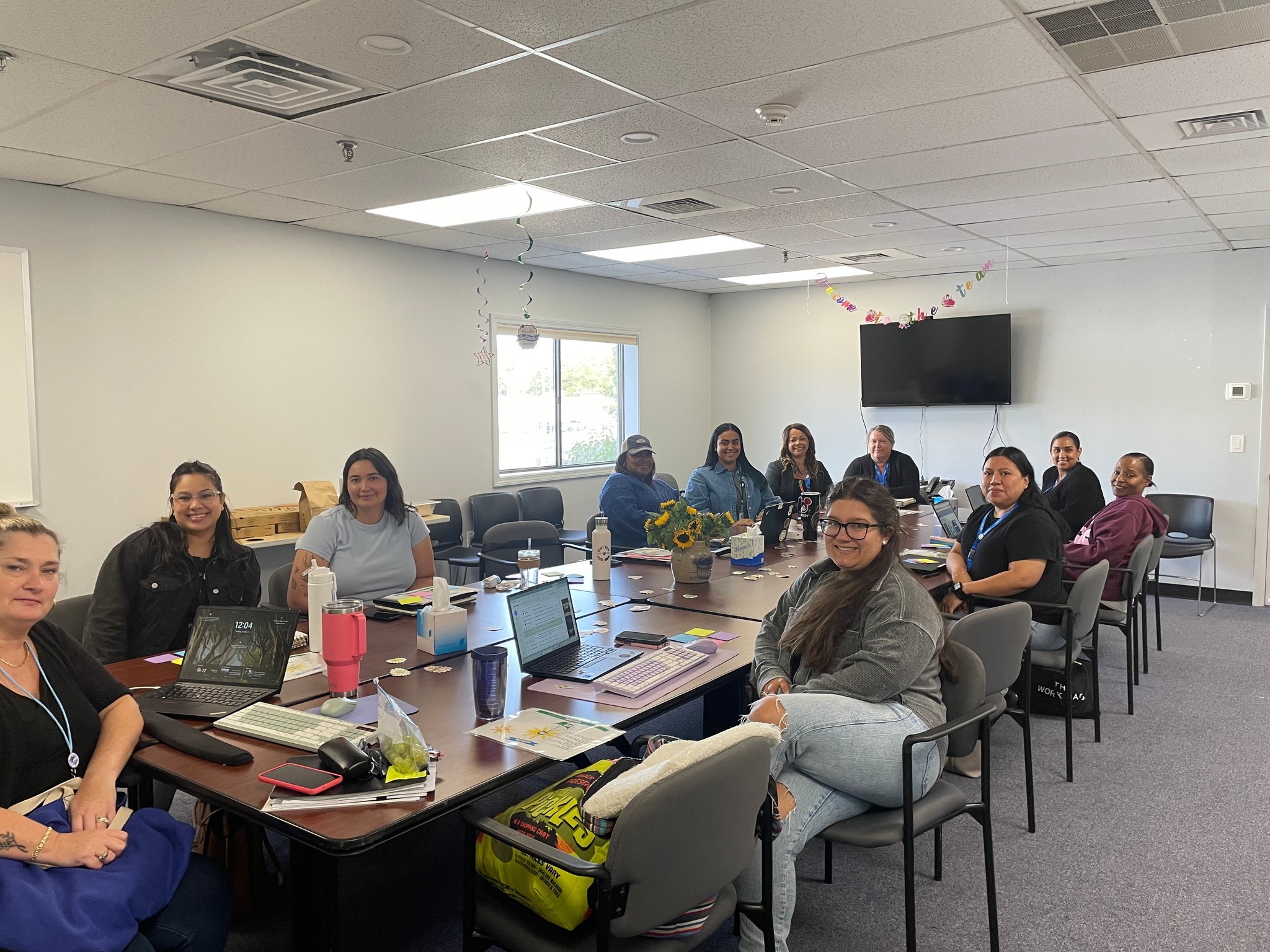
JRI’s Community Service Agency (CSA) network continued its strategic growth this year with expansion into Taunton and the Northeast. JRI now serves as the CSA for multiple regions including Cape Cod and the Islands, Lawrence, Taunton, the Northeast, and the Dimock area, which includes most of Boston, supporting youth with significant emotional and behavioral needs and their families through community-based care.
A key driver of this expansion has been the implementation of the Family Intensive Treatment (FIT) model. FIT is a structured, short-term intervention designed for youth with serious emotional disturbance who are at risk of hospitalization or higher levels of care. Delivered by a multidisciplinary team that includes a Master’s-level clinician, a paraprofessional, and a Family Partner, FIT integrates intensive family therapy, care coordination, and peer support into a single, cohesive service. Services are provided in the home and community, allowing teams to address real-time challenges and build on family strengths. The goal is to create sustainable change within four to six months while preparing families to transition to less intensive supports.
Program impact has been immediate. In its first 100 days, the initiative engaged 100 families, reflecting both significant community need and strong program responsiveness. With dedicated teams providing consistent, high-quality care, FIT is already helping families remain safely together and avoid more restrictive interventions. As one team member shared, “Sometimes we’re the first consistent support a family has had in years. Being there through the hard parts and celebrating the wins, that’s the heart of this work.”
FIT is embedded within JRI’s broader CSA framework, which ensures that families remain connected to ongoing supports such as Intensive Care Coordination and Family Support and Training as needed. This continuity strengthens outcomes by providing both immediate stabilization and longer-term guidance, helping families navigate complex systems and maintain progress over time.
Together, CSA and FIT services represent a critical component of JRI’s continuum of care, contributing to stronger families and better outcomes for youth across the Commonwealth. See the FIT model in action and how it supports youth and families in this short video.

MAJECT’s Trauma-Informed Caregiving Workshops
Massachusetts Justice and Equity for Child Trauma (MAJECT), a program of JRI, offers free, virtual trauma-informed caregiving workshops to support those caring for children impacted by trauma and violence. MAJECT provides two specialized workshop series: the Resource Parent Curriculum (RPC), an eight-week course for foster, adoptive, pre-adoptive, and kinship caregivers, and the Breakthrough Parenting Curriculum (BPC), a ten-week course designed for birth and biological parents.
These workshops are designed to give caregivers practical, compassionate tools to better understand how trauma affects child development and behavior. Participants learn strategies to respond to children’s emotional and behavioral needs, nurture strong and healthy attachment relationships, build on each child’s unique strengths, and develop effective coping skills. The workshops also highlight the importance of trauma-informed advocacy, caregiver self-care, and creating supportive, connected networks.
MAJECT delivered free, virtual RPC groups to a total of 126 caregivers of trauma-impacted children with mental health concerns. Over half of the children in the sample (53%) were in state custody. Caregivers completed pre- and post-evaluation surveys assessing child mental health, parent-child relationships, and child and family strengths. Encouragingly, many caregivers reported positive outcomes from participating in RPC; 61.4% shared that their child’s mental health had improved, and 75.9% reported stronger parent-child relationships. Caregivers also noted improvements in children’s post-traumatic stress symptoms from pre-evaluation (adjusted M = 30.7) to post-evaluation (adjusted M = 26.3).
Many caregivers reflected on the impact of the RPC groups. One caregiver shared, “I am grateful that everyone shared their stories. Often, I feel so alone, [like] there’s no way out. When you hear other people’s stories, you don’t feel alone anymore. It was really helpful and I learned so much from the breakout groups, discussions, activities, open-ended questions, [and] resources.” Another caregiver said, “I appreciated the individual sessions and resources. I found the breakouts helpful in skill building, and the volume of information was wonderful. [I] can try new things and improve [my] relationships.” By the end of the RPC groups, caregivers often expressed having a “better understanding of trauma” and feeling more confident as a “better advocate” for their child.
Through these initiatives, MAJECT continues to strengthen families and communities, empowering caregivers with the knowledge, confidence, and support to provide trauma-informed care to their children. For more information, please contact Katherine McCarthy, PhD, at kmccarthy@jri.org
Investing
In Our Employees
People, Culture, and Social Impact
This year, our People, Culture, and Social Impact work focused on strengthening the experience of the people who carry JRI’s mission forward. As the needs of our staff, programs, and communities continue to evolve, we remained committed to creating clear pathways and strong supports that help our workforce feel informed, valued, and equipped to do their work.
Centering Our People
The strength of our mission depends on the strength of our people. Across the organization, we invested in practices that promote clarity, consistency, and access, from improved communication channels and streamlined platforms to expanded learning opportunities, pay transparency, and more transparent performance expectations. Together, these efforts help staff better understand where they are, where they can grow, and how their contributions connect to JRI’s broader impact.
Building a Culture of Connection and Support
A strong culture is built through daily experiences, especially how people are welcomed, supported, recognized, and heard. Through intentional collaboration among HR, Legal, Quality Management, and staff across the agency, we worked to strengthen accountability, consistency, and belonging across programs and departments.
Connecting Staff Support to Social Impact
Investing in our workforce is also an investment in the individuals, families, and communities we serve. When staff have the tools, information, and support they need, they are better positioned to provide consistent, compassionate, and high-quality services. As JRI looks ahead, we remain grounded in more than 50 years of people-centered work while continuing to build a workplace where staff can grow and make a lasting difference in the lives of others.

Anya Logan
Investing in Staff Growth Strengthens Workforce and Expands Impact
JRI’s commitment to workforce development continues to create meaningful pathways for staff to advance their education, grow professionally, and deepen their impact across programs. Through initiatives like the 1/3 Scholarship Program, employees are empowered to pursue advanced degrees while remaining actively engaged in the work of supporting youth and families. This investment not only strengthens individual career trajectories but also enhances the quality and sustainability of care across JRI services.
One staff member’s journey reflects the transformative potential of this opportunity. Anya Logan joined JRI’s Intensive Residential Treatment Program at Cohannet Academy as a Wellness Coordinator and soon began exploring the possibility of returning to school to further align her work with long-term career goals in social work. With encouragement from colleagues and leadership, she pursued a Master of Social Work through Boston University’s online program, supported by JRI’s scholarship. What once felt financially and academically out of reach quickly became achievable.
Since entering the program, Anya has excelled academically, maintaining a 4.0 GPA while gaining hands-on experience through her field placement at a Community Service Agency (CSA), where she served as an Intensive Care Coordinator. Her success in the program and in the field led to securing a full-time role in the same position. This progression highlights how investing in staff builds confidence and capability while strengthening service delivery for the individuals and families JRI supports.
Stories like Anya’s underscore the broader impact of JRI’s workforce initiatives. By reducing financial barriers and fostering an environment of encouragement and growth, JRI enables staff to unlock their potential and expand their contributions to the organization’s mission. These efforts ensure a highly skilled, motivated workforce and drive better outcomes for the communities JRI serves.
2025 JRI Scholarship and Tuition Reimbursement Payments
In 2025, JRI invested $1,054,032 in scholarships and tuition reimbursement, reinforcing our commitment to the professional growth of our staff. By expanding access to education and development opportunities, we are strengthening our workforce, and ensuring our team has the tools and knowledge needed to deliver exceptional care.
Total
The Trauma Response Network: Strengthening the Resilience of Our Workforce
Every day, JRI’s dedicated staff walk alongside children, adults, and families navigating some of life’s most difficult moments. This mission-driven work is also inherently demanding. Recognizing the realities of secondary stress and trauma exposure, JRI launched the Trauma Response Network (TRN) several years ago to create a compassionate system of support for our workforce.
The TRN provides a multi-phase response model designed to meet staff where they are, whether they are preventing stress, navigating an acute challenge, or healing from the longer-term impacts of trauma:
- Prevention: Tools and strategies to reduce stress before it occurs.
- Stabilization: In-the-moment supports responding to active stress or crisis.
- Restoration: Longer-term practices that foster healing for individuals and teams.
As part of this work, the TRN introduced “The Resilience Sessions” in 2025, a key initiative that has quickly become an impactful staff support.
Resilience sessions are an innovative, flexible support designed to help staff stay grounded and emotionally regulated. Offered quarterly and facilitated by trained TRN responders, these sessions:
- Are held on-site within programs, reducing barriers to participation;
- Are voluntary, creating an inviting, low-pressure environment;
- Offer staff a chance to be seen and heard outside of formal supervision and immediate crisis.
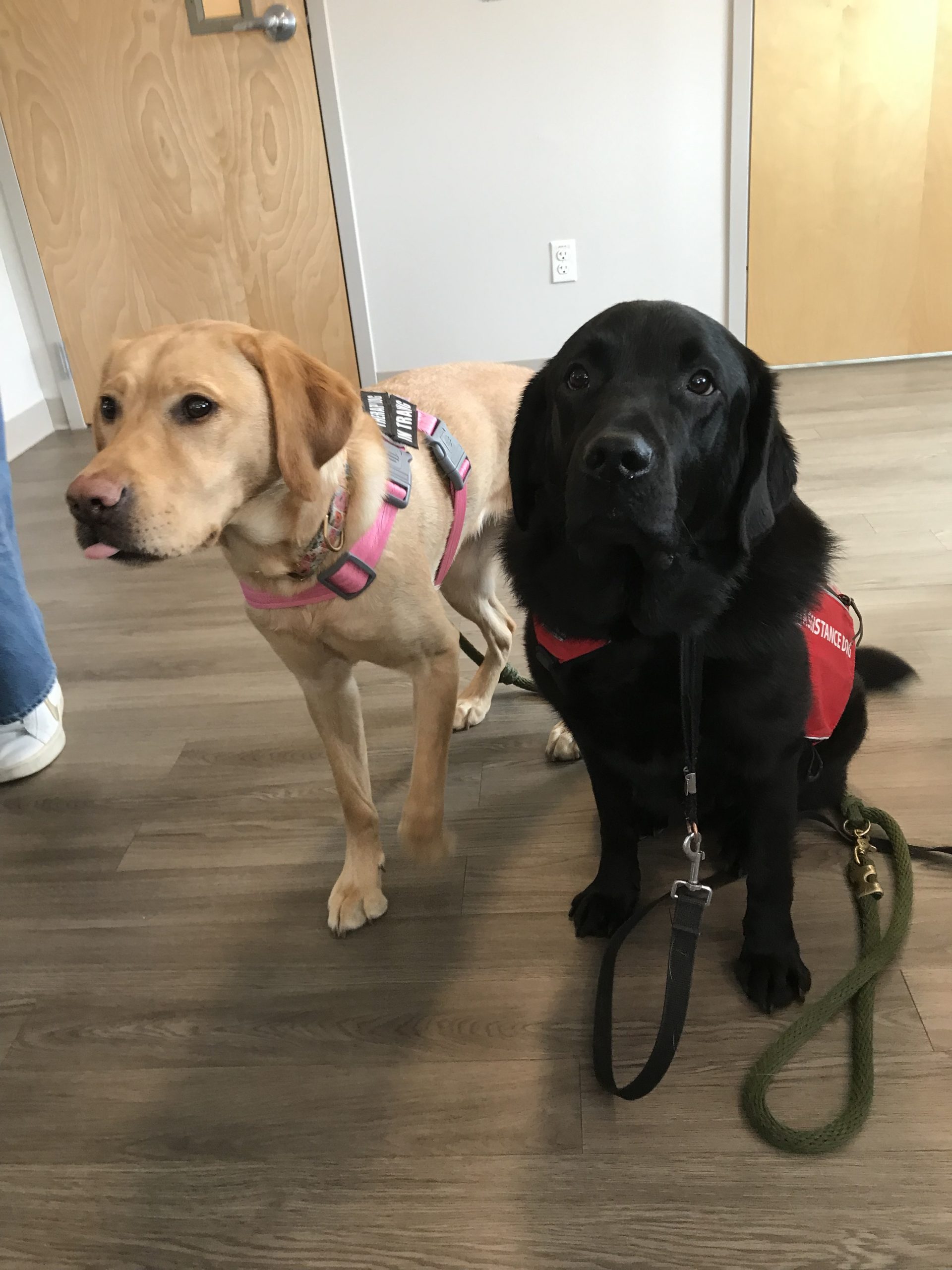
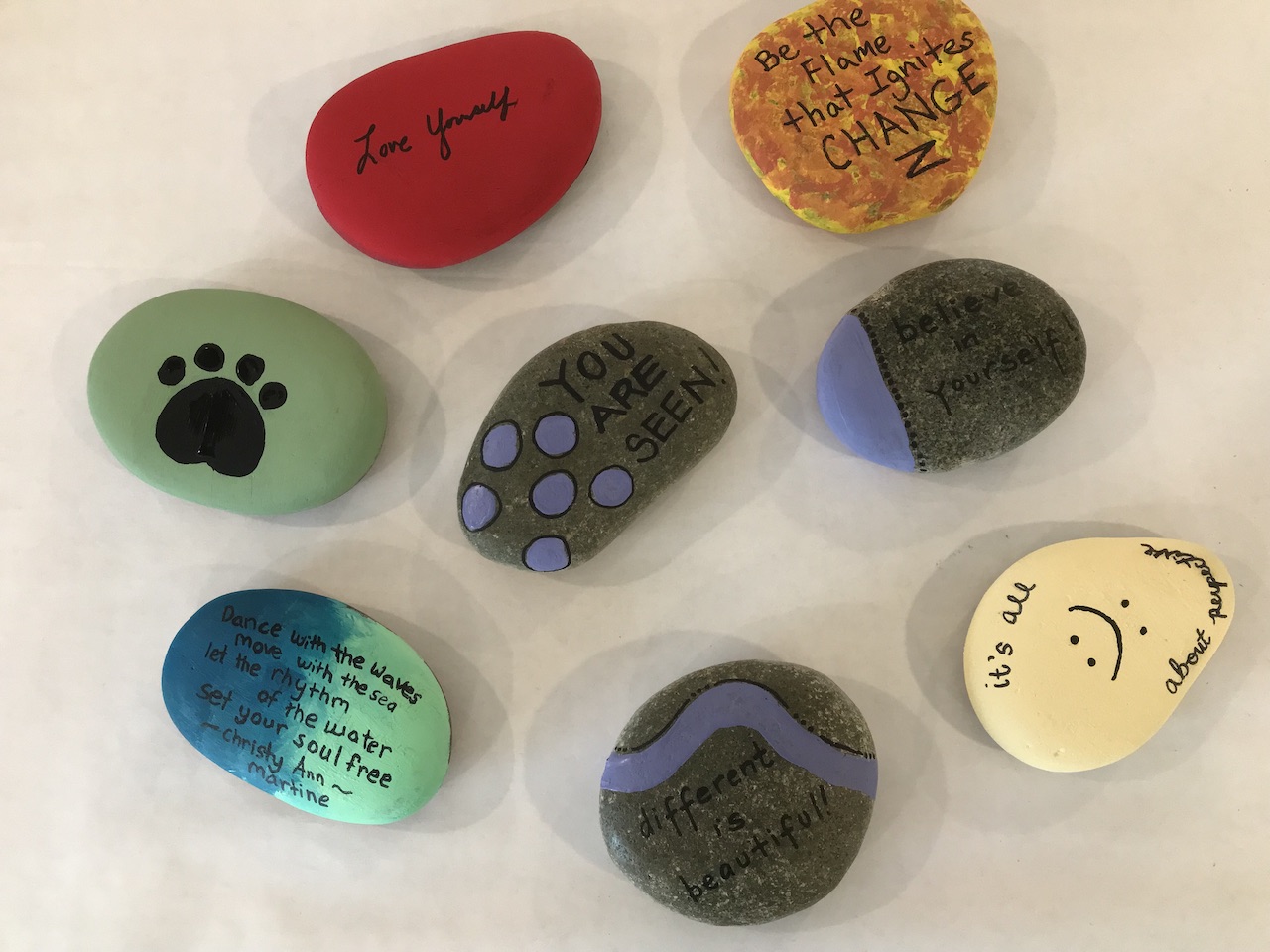
This year, JRI’s Children’s Advocacy Center (CAC) became an early participant in the resilience sessions. Staff shared that the sessions created a meaningful pause in their high-intensity, fast- paced work. One particularly memorable moment included animal massage time for Chief, the CAC’s NEADs assistance dog and Marie, the CAC’s good citizen dog, which brought a sense of calmness and connection to the team.
“We embarked on the use of the TRN out of a difficult moment in our work,” said Lara Stone, Co-Director of the CAC. “Now we work together with Adam Edwards, Associate Director of Curriculum Development and Trauma Supports, on a series of quarterly resiliency sessions so that we are proactively addressing staff well-being. Our time together has included art projects, outdoor walks, scavenger hunts, sound bath healing (with a guest trained in this arena) and gratitude circles. We are grateful to be part of an agency that prioritizes this type of support.”
In 2025, the Trauma Response Network reached 18 Programs while the resilience sessions reached 47 individual staff, helping them achieve greater emotional regulation and stronger team cohesion.
Based on feedback, the plan is to expand resilience sessions to additional programs in the coming year.
Financials
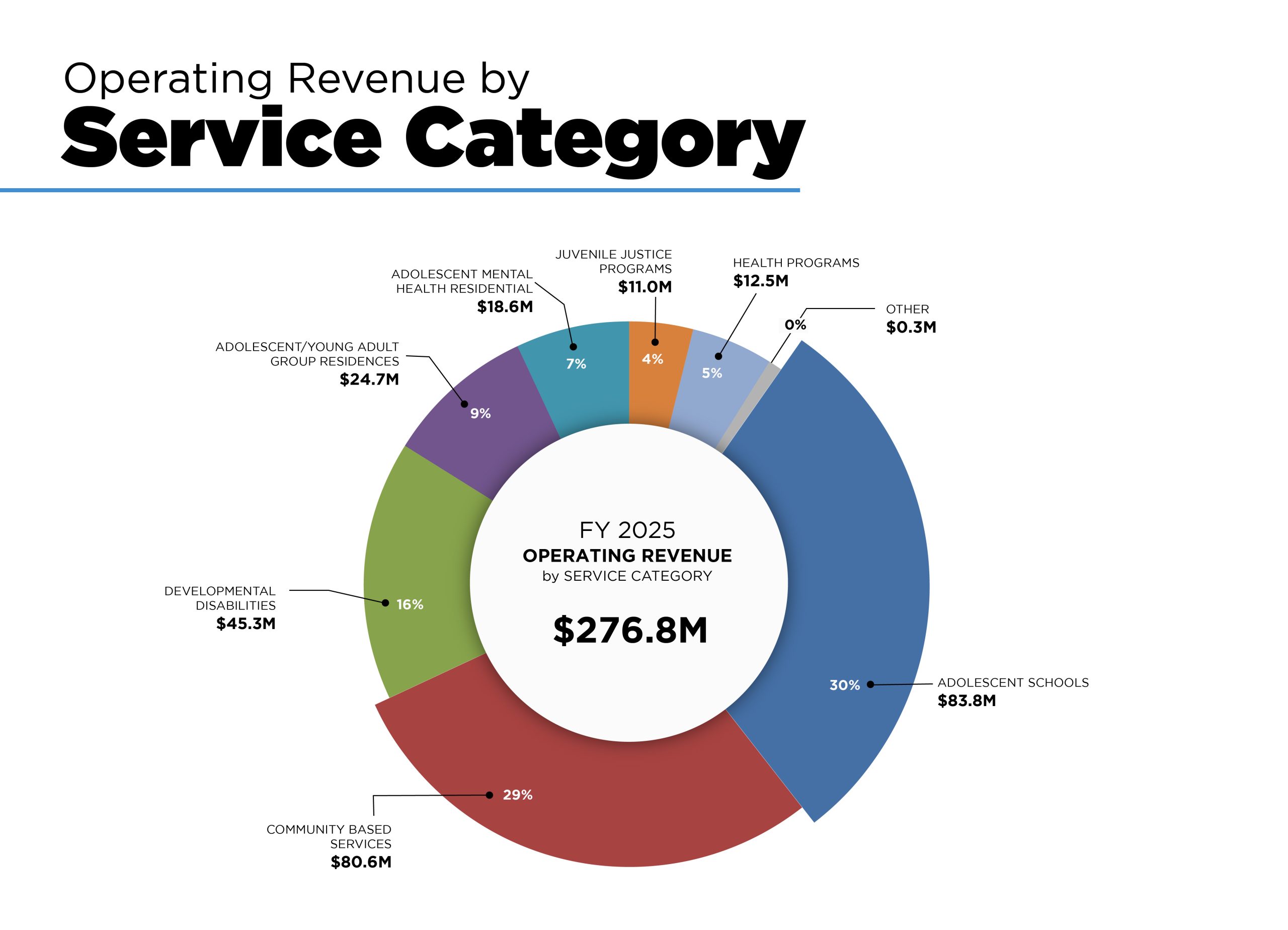
FY’25 Annual Revenue
Clients
Served
FY 2025
Community Based Services
Developing Abilities
Residential
Health & Housing
Day Schools
Massachusetts Justice and Equity for Child Trauma
TOTAL
JRI Board of
Trustees
FY 2025
| Board Chairperson | Fran Rosenberg |
| Vice Chairperson | Judith Tsipis |
| Treasurer | Mark S. Cuddy |
| Clerk | Mia DeMarco |
| Board Members | |
| Pratiti Bandopadhayay | Douglas M. Brooks |
| Jim Cunha | Joel Kershner |
| Caro Ruiz |
| Other Officers | |
| Assistant Clerk | Meredith Rapoza |
| Assistant Clerk | Kari Beserra |
| Assistant Treasurer | Bisser Dokov |

JRI
Awards
FY 2025





160 Gould Street, Suite 300 Needham, MA 02494 | (781) 559-4900 | Fax (781) 559-4901